
The Green Tide
I don’t have a favourite season … or even a favourite time of year. I find it an impossible choice. Each period has its own magic, with many plant highlights. And, these highlights don’t have to be the flowers themselves … although I must admit that creating colourful gardens was the raison d’etre behind the development of SeeHow as a garden design tool. I wanted to create an easy-to-use visual system that showed how and when plants would flower. But in the end it became much more, revealing the whole annual lifecycle of plants.
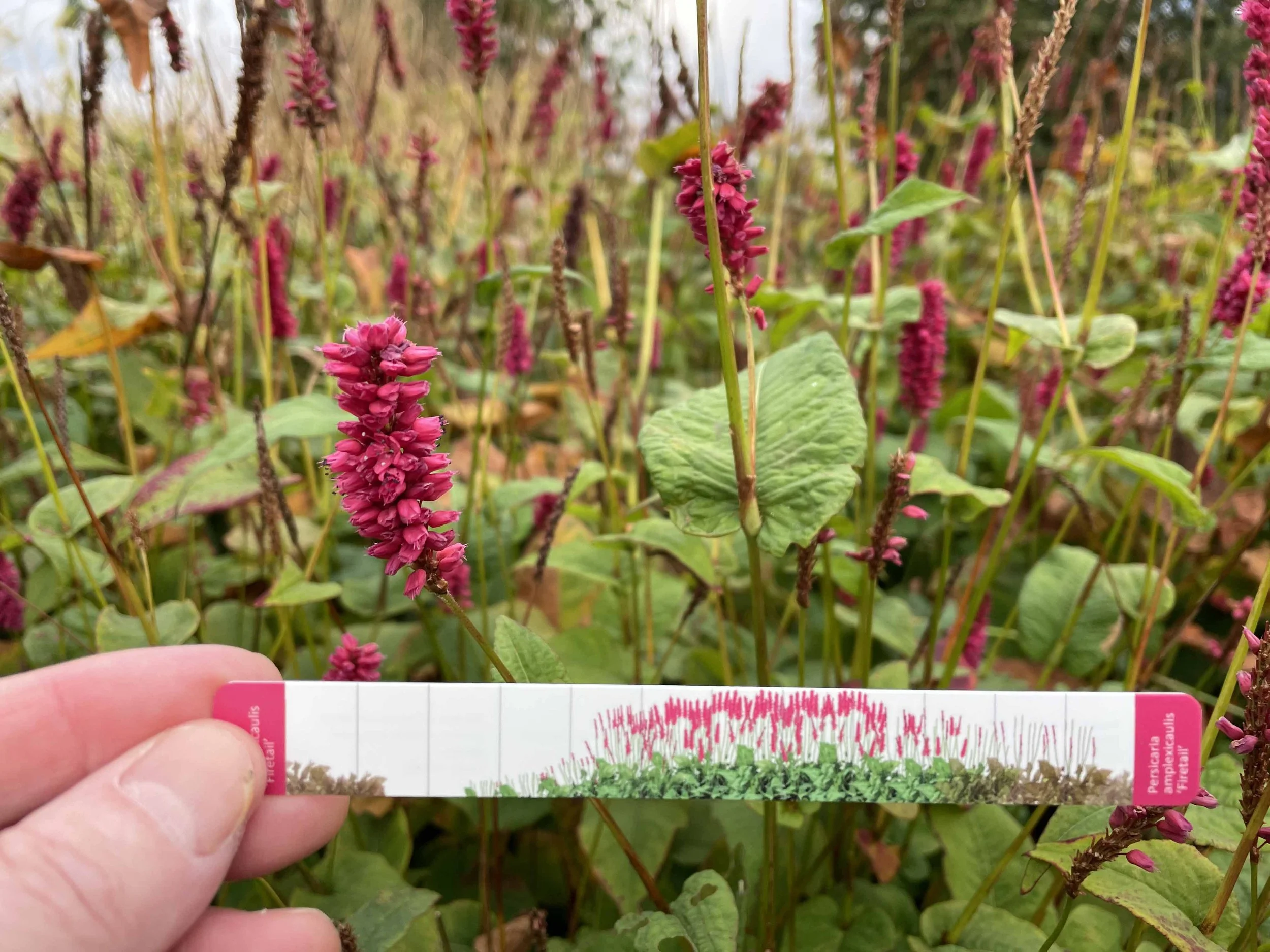
A close-up of a Persicaria illustration held in front of the plant itself. It has attractive flowers and foliage and can provide garden interest for around 10 months www.seehow.co.uk/shop
As well as producing colourful flowers to attract pollinators (and us), our plants also contribute form and texture to gardens through their structure and foliage. These characteristic change as the plants grow and mature, altering the way they occupy space in our gardens over their annual cycles. And when you think about it, these aspects are actually the most long-lasting contributions many plants make to our gardens, even if they are secondary to our initial decisions to choose plants for their colourful flowers.
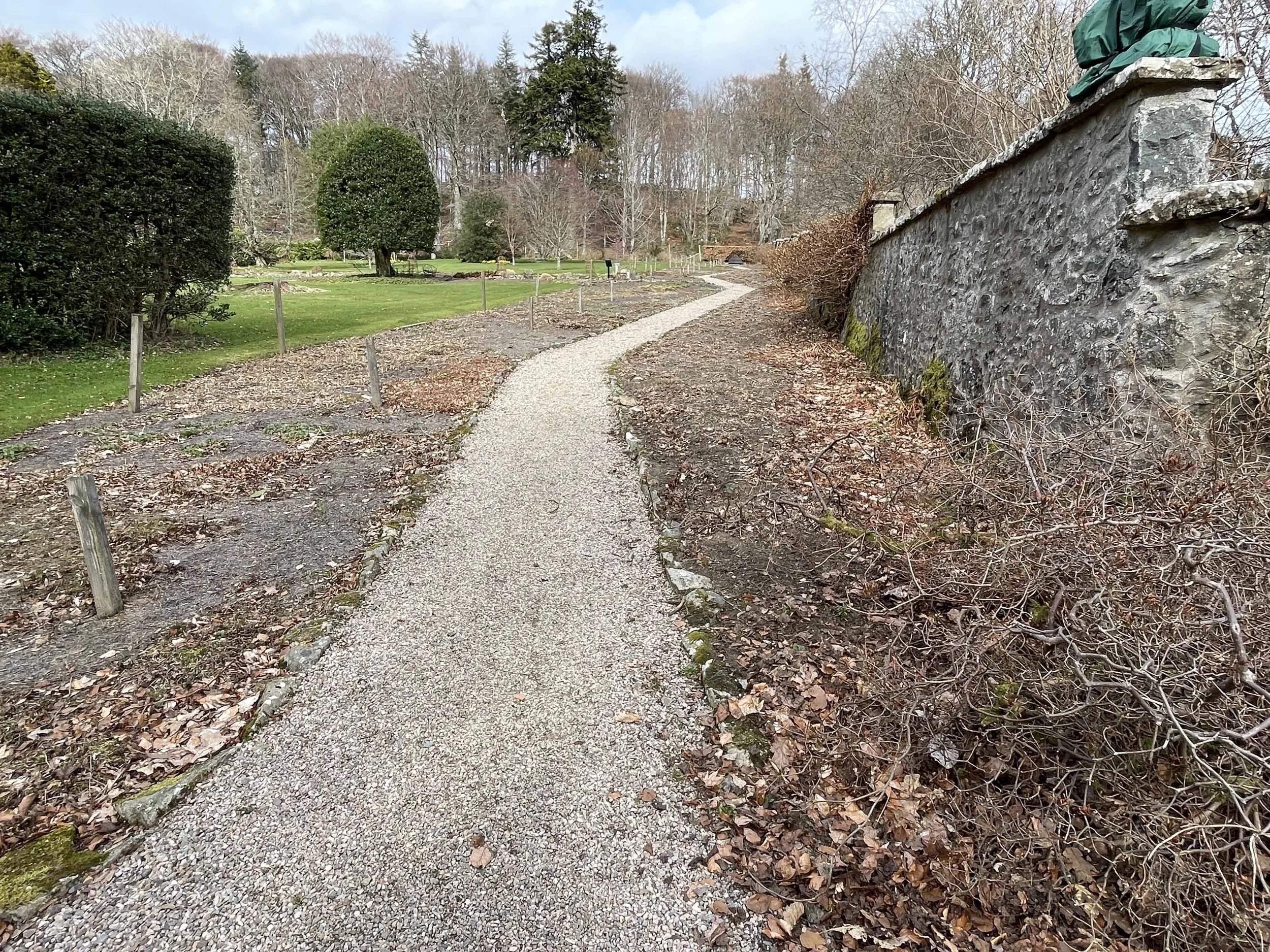
It is hard to believe that this winter border will transform into 150m of beautiful colourful herbaceous perennials that will start to appear in just the next few weeks - as shown in the photo below from a previous year
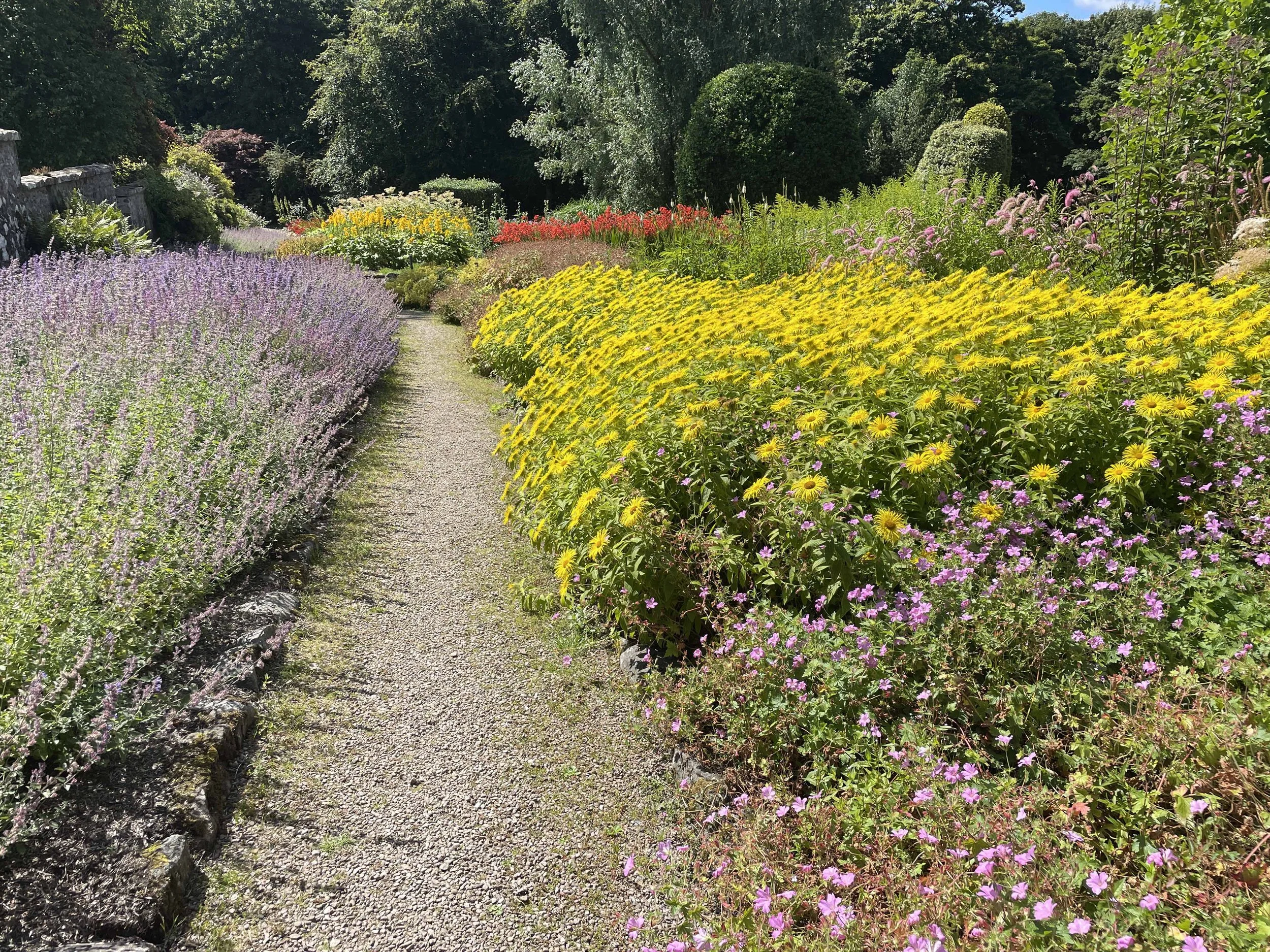
Photo taken in summer, looking back down the path of the border shown in the previous photo
It was the process of developing the SeeHow illustrations that, for the first time, showed me the whole lives of plants – revealing their entire annual cycles, as easy-to-understand graphics. They showed that the flowering element for many plants was a small part of its presence in the garden. And they also showed that for some plants, like Hostas and Bergenias, the most Important element may actually be the foliage and not the flowers. For others, like evergreen Daphne shrubs, it may not actually be the small beautiful flowers, but rather, the scent of the flowers which matters. The fact is that plants mainly contribute shades of green. SeeHow shows this. The illustrations allow selected plants to be compared side-by-side and each plant’s annual contribution to the garden quickly becomes apparent. Fascinatingly, SeeHow also reveals the absence of plants – planting gaps – something I had not expected! If desired, new plants can be specifically chosen to fill in those unexpected spaces.
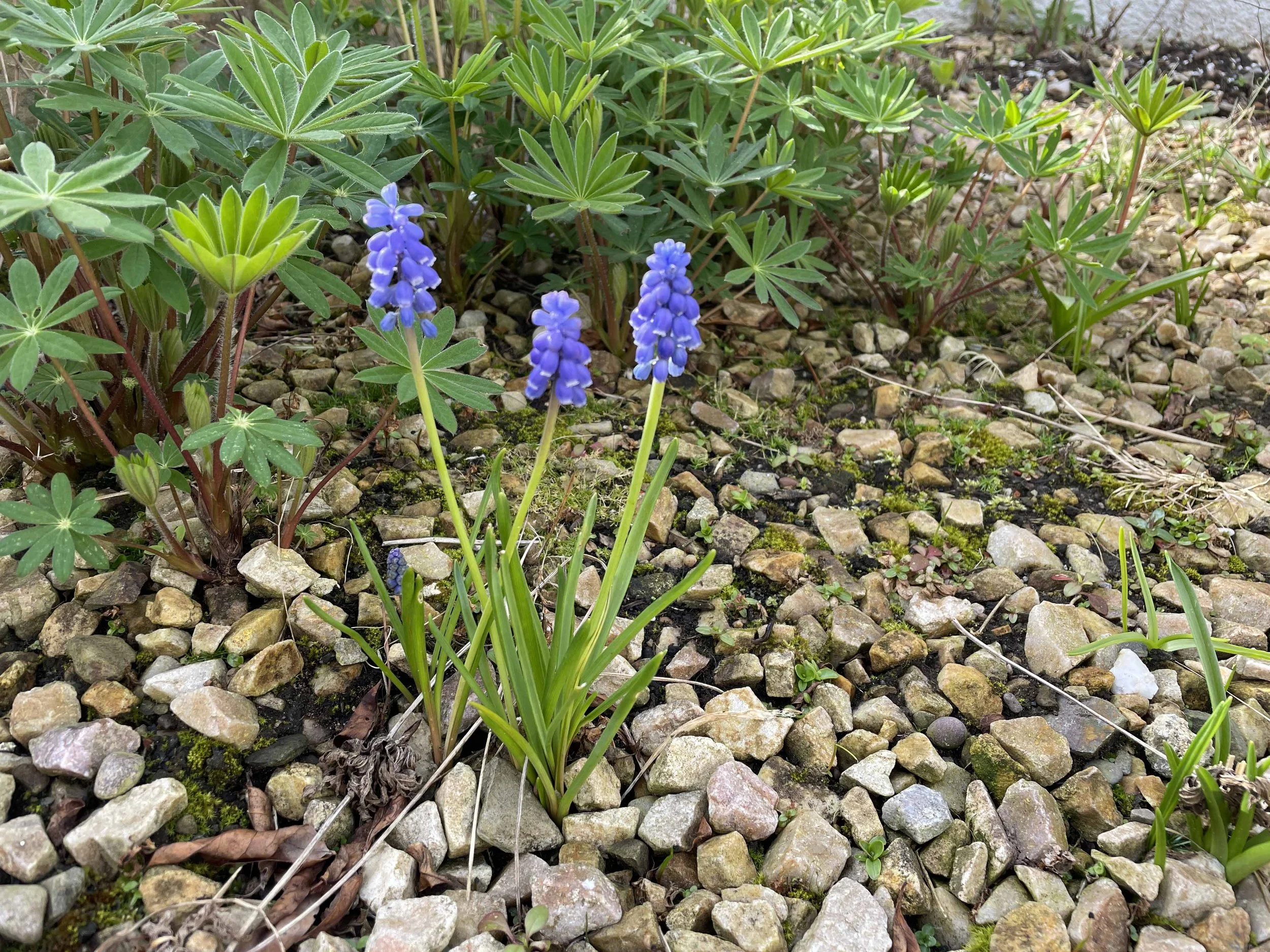
Muscari growing in this small garden transforming the bare winter gravel. Bluebell leaves are beginning to appear as are self-seeded lupins growing along the base of the garden hedge
But, back to seasonal preferences, it is true that the majority of perennial plants start to appear in springtime, growing to full size in summer and dying off in Autum. So it is easy to see why for many people, spring is their favourite season. Snowdrops and Eranthis are a visual reminder that the year is turning, quickly followed by crocuses and daffodils that local authorities often love to plant in beautiful roadside drifts. I look forward to seeing these. These few plants are some of the main flowers that act as garden pick-me-ups, dragging us out of our own winter dormancy, hinting at what is to come. In my own garden, clumps of blue Muscari are now in full flower; primroses offer moments of bright yellow; tulip stems with their broad leaves and swollen flower buds are everywhere. There are bluebells too that will flower in a few weeks’ time, currently a green woodland carpet or simply invisible amongst the green fuse of grassy verges. Nearby, mahonia shrubs are showing the first tightly-packed lime green / yellow flowers. Our gardens and the natural world all around are exploding with life.
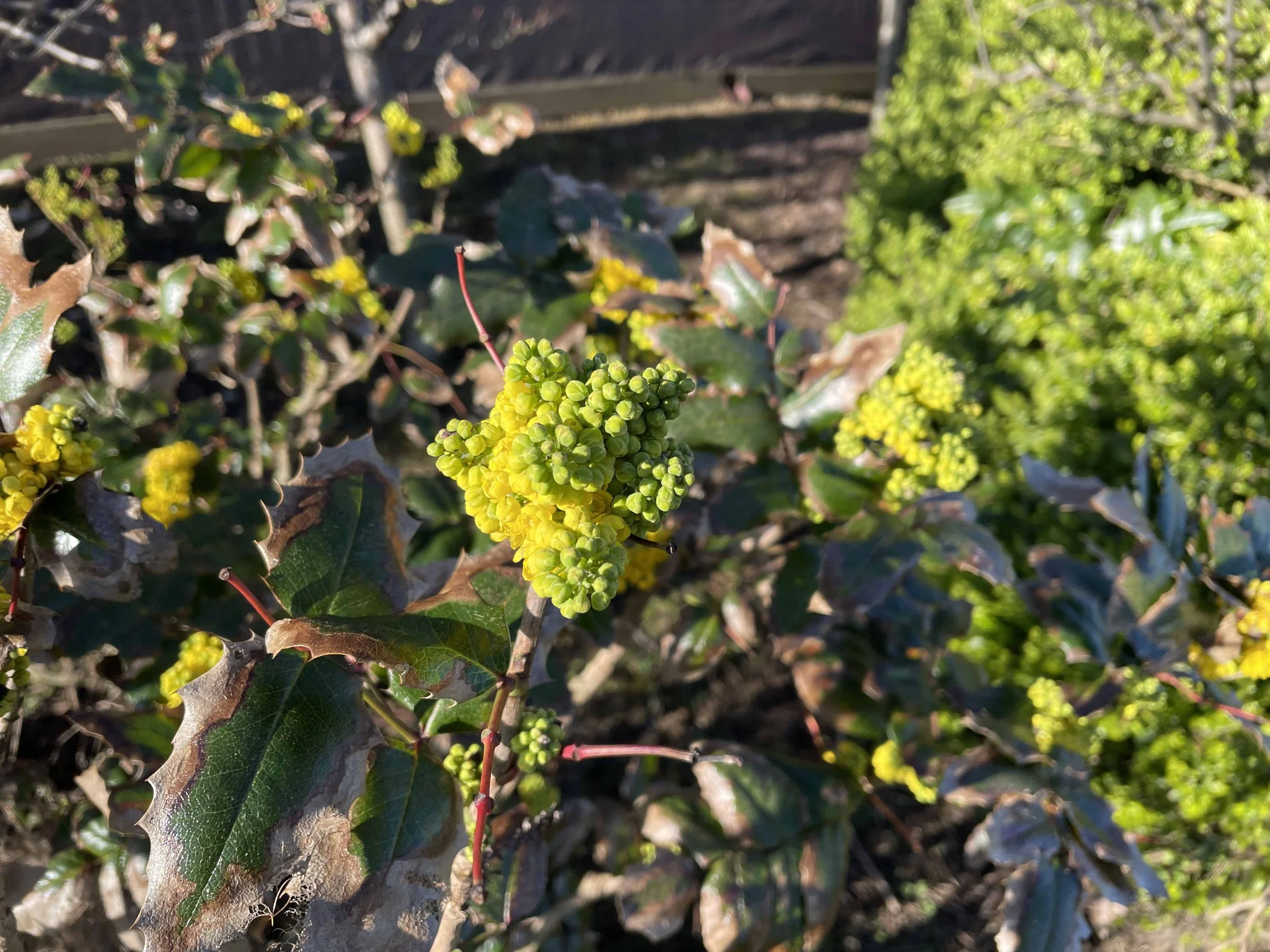
Mahonia flower buds, tightly packed but already beginning to open
If this process was filmed and the film shown speeded up, it would be a bit like watching the tide quickly coming in, filling our garden and the countryside with a sea of green, dotted with different moments of colour coming and going. Some plants appear and disappear quite quickly while others have a presence in the garden for 8 to 9 months. Perennials shrubs such as woody Forsythia are there all year but their moment to shine (now as I write) is all too brief. Blink and its beautiful yellow flowers will quickly be gone, leaving fresh green leaves and open structure for most of the year. Some spring plants are small and appear delicate, like blue Chionodoxa, while others can grow tall indeed like purple Verbena, multi-coloured Hollyhocks and creamy yellow Cephalaria. Your gardens can be very dynamic, ever-changing places. They can be full of excitement all year round and this is all because of your plant choices .
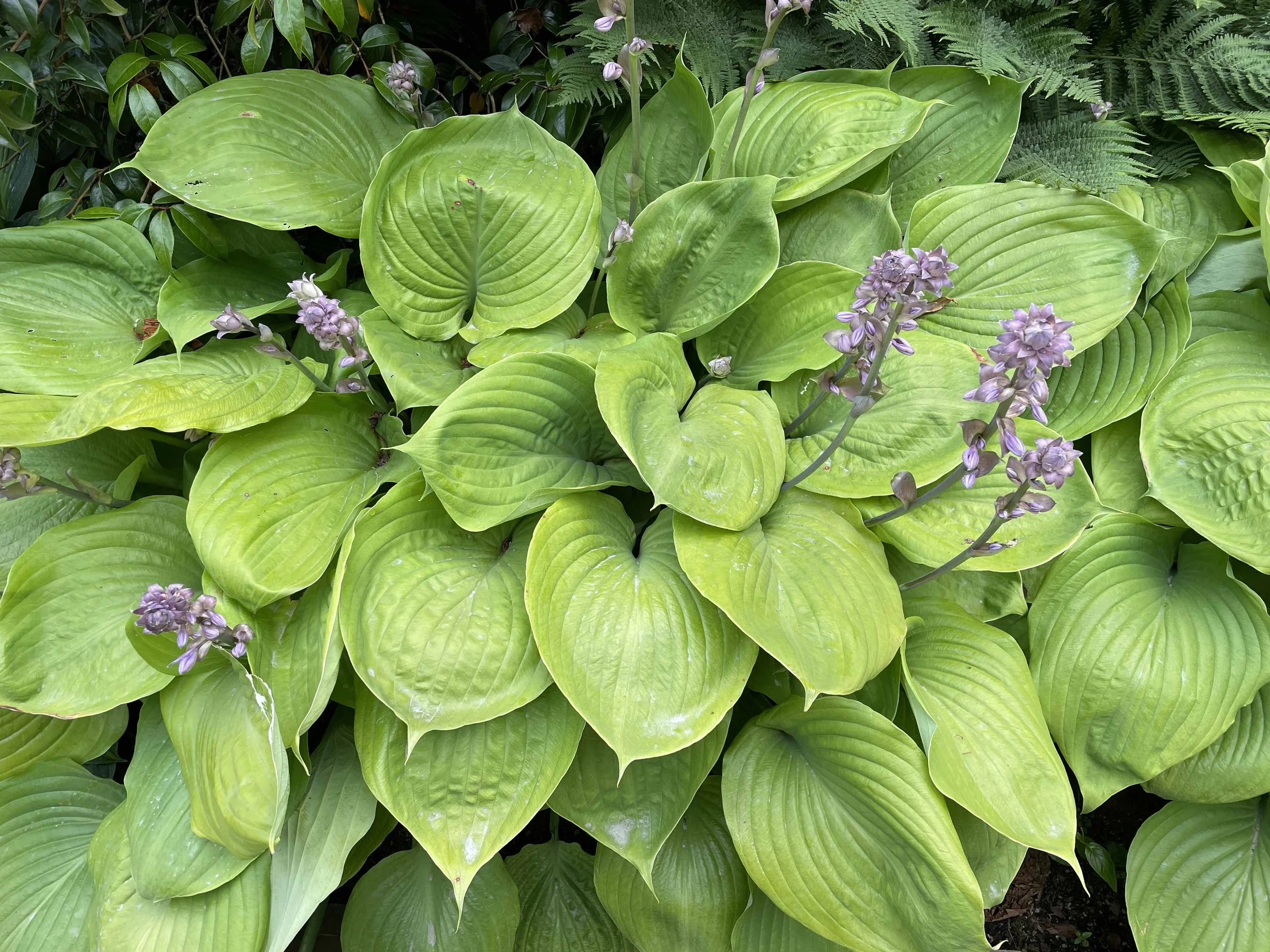
Herbaceous hostas are grown mainly for their gorgeous foliage. They range from the tiny ‘Mouse Ear’ to many enormous varieties, some also with variegated leaves
Use SeeHow to help create your own green tide!
Happy Garden Planning, from SeeHow
Check out our Shop – www.seehow.co.uk/shop
The above Text and photographs are the copyright of Wincenty (Wicek) Sosna. Please contact SeeHow(07939 226417) for permission to reproduce in any way, in part or as the complete text.
Wicek, now semi-retired, is a multi-award-winning architect. He is also a writer, horticulturalist and keen gardener. He lives in Macduff on the dramatic north Aberdeenshire coast. He invented the unique interactive SeeHow - Gardening Books concept, to actually show how plants and veg grow throughout the calendar-year. Because SeeHow books work visually, anyone can use them - from school children to garden design professionals. Pictures really are worth 1,000 words!
Exciting Opportunity!
SeeHowis looking for investors / crowdfunders to help it grow – specifically to develop the SeeHow App.
Please spread the word to friends and colleagues you think may be interested. For anyone who would like to know more about becoming part of the SeeHow adventure, please contact Wicek Sosna on +44 (0) 7939 226417